Quick answer: which difficulty should you pick?
The Blood of Dawnwalker has four difficulty presets — Story, Fair, Challenging and Duelist — and you can change your choice at any time during a playthrough, so no pick is permanent. For most players, Fair is the right start: it leaves every character and enemy stat at default and gives a balanced run at the game's directional-duel combat. Pick Story if you are here for the plot and want weaker, slower enemies and more stamina for Coen. Pick Challenging for a realistic, deadly fight where enemies hit harder and press harder. Pick Duelist only if you want combat to be the point — it removes the on-screen directional indicators and forces you to read attacks yourself. On top of the presets, separate RPG Difficulty and Action Difficulty menus let you fine-tune enemy health, damage and behavior independently.
This guide was written on September 2, 2026, as The Blood of Dawnwalker launches September 3, 2026 on PS5, Xbox Series X/S and PC. Every detail below is attributed to developer Rebel Wolves or to named launch outlets that played the finished game — nothing here is pre-launch guesswork.
The Blood of Dawnwalker is the debut RPG from Rebel Wolves, a Warsaw studio founded by veterans of The Witcher 3 and Cyberpunk 2077 (including Witcher 3 game director Konrad Tomaszkiewicz), published by Bandai Namco Entertainment. It is a single-player, buy-once dark-fantasy game — no multiplayer, no in-game currency, no live service — and it reviewed well: as verified live on August 31, 2026, it sits around 84 on OpenCritic ("Mighty") and roughly 83 on Metacritic. That reception matters here because reviewers were unusually consistent that the combat is where the game asks the most of you, which makes your difficulty choice one of the first real decisions you make.
How many difficulty settings does The Blood of Dawnwalker have?
There are four difficulty presets, confirmed by Rebel Wolves ahead of launch and listed by multiple day-one guides (Game8, Method, The Nerd Stash). Russian outlet ixbt, summarizing the developer, framed the spread as running "from the easy Story for plot lovers to the challenging Duelist." Here is what each preset changes, based on the settings breakdown captured from Rebel Wolves' own gameplay footage:
| Preset | Best for | What changes |
|---|---|---|
| Story | Players here for the narrative | Weaker, slower enemies; more stamina for Coen; combat rarely blocks your progress |
| Fair | First-timers, most players | The standard experience — all character and enemy stats at default values |
| Challenging | Players who want a real fight | Enemies are more aggressive, deal more damage, and Coen has less stamina |
| Duelist | Combat-focused veterans | Directional attack indicators are removed; enemies are far more aggressive and deadly; Coen has significantly less stamina |
The important design point — and the reason a difficulty guide is worth reading for this game specifically — is that harder modes are not just enemy health sponges. As several previews and launch guides noted, difficulty also affects how much time you have to read and react to an incoming attack: on easier settings, enemy attack animations run with a longer visual window, preserving the directional-combat system rather than removing it. Turning the difficulty up shortens that window instead of simply inflating hit points.
What makes Duelist different from a normal "hard mode"?
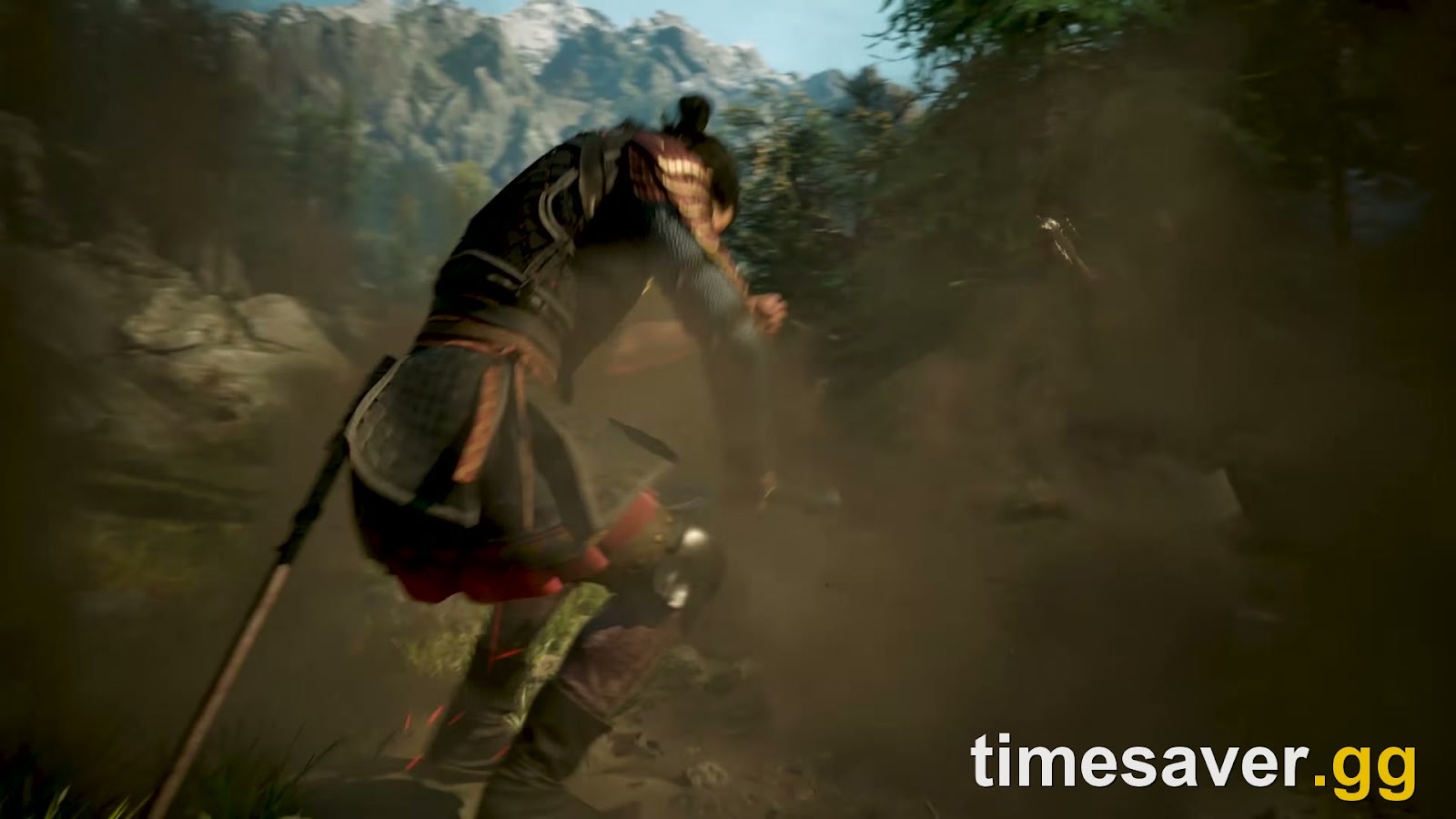
Duelist is the headline setting, and it is worth understanding before you pick it. Instead of turning ordinary enemies into damage sponges, Duelist removes the directional indicators that tell you where an incoming attack is coming from. Combat becomes lethal for everyone involved — you have to learn attack patterns and timing yourself, reading the animation instead of an on-screen prompt. Enemy aggression goes up and Coen's stamina goes down, so trades you could shrug off on Fair become genuinely dangerous.
That "learn the fight, not the UI" approach is why some reviewers recommended jumping straight in: Worthplaying advised starting on Duelist for players who want a real challenge, while Eurogamer described it as "doable… eventually." Datamined trophy/achievement lists also indicate Duelist is tied to a completion reward, so a full Duelist run has a bragging-rights payoff beyond the difficulty itself. If you are not sure your reflexes are ready, remember the safety net: you can drop the difficulty the moment a fight stops being fun, and pick it back up later.
Can you change the difficulty at any time?
Yes. You can change the difficulty setting at any point during your playthrough — it is not locked at the start of a save. That single fact should take the pressure off your opening choice: start where you are comfortable, and adjust as the combat clicks (or doesn't).
To change it, open the in-game Settings/Options menu and head to the gameplay/difficulty section, then swap presets or retune the individual sliders (see below). Because The Blood of Dawnwalker's combat is a directional duel that takes a few hours to internalize, a common approach from launch guides is to begin on Fair, get comfortable with blocking and parrying by direction, and then step up to Challenging or Duelist once the reads become second nature — no need to restart a save to do it.
What are the RPG Difficulty and Action Difficulty sliders?
Beyond the four presets, The Blood of Dawnwalker exposes deeper customization through two separate menus, so you are not stuck with a one-size preset:
- RPG Difficulty governs the numbers — things like enemy health, enemy damage and other balance values. Turn this up if you want fights to hit harder mathematically.
- Action Difficulty governs enemy behavior — attack patterns, aggression, and the timing windows you get to react and parry. Turn this up if you want the execution to be tougher without inflating raw stats.
That split is the clever part: you can, for example, keep RPG values near Fair so you are not one-shot by everything, while cranking Action Difficulty so the reads and parries stay demanding. Launch coverage (FandomWire, all.gg) confirmed these sliders can be retuned at any point in the game, so there is no reason to grind through a setting that isn't working for you. Reported per-value options include enemy health, enemy damage, enemy aggressiveness, the perfect-block/parry window, and an auto-block toggle for players who want an assist layer.
Which difficulty is best for your first playthrough?
Here is the practical decision, mapped to how you want to spend your time — which matters in a game built around a 30-day, 30-night narrative-sandbox structure where you cannot do everything in one run:
- You're here for the story and choices → Story. Enemies are weaker and slower and you have more stamina, so combat rarely stalls the narrative. This pairs well with a first playthrough focused on exploring Vale Sangora and seeing where your decisions lead.
- You want the intended, balanced experience → Fair. This is the default recommendation from most launch guides, including Sportskeeda, which called it the pick that "gives you a decent and rewarding experience with both combat and the story." It's the safest starting point precisely because the directional combat takes time to learn.
- You want a real test but not a wall → Challenging. Enemies press harder and hit harder; expect to actually use your parries, positioning and the day/night power split rather than trading blows.
- You want combat to be the whole point → Duelist. No directional indicators, minimal stamina, maximum aggression. Best saved for a second run — or chosen up front if you're a soulslike/duel veteran who wants to learn fights the hard way.
How does difficulty interact with the combat system?
Difficulty in The Blood of Dawnwalker only makes sense once you understand what the combat is. Fights are built around directional dueling: you aim your attacks and blocks by direction, and timing your parries is what wins exchanges. Reviewers have compared the read-and-react rhythm to a "Simon Says" of directions — which is exactly why removing the indicators (Duelist) or shortening the reaction window (higher Action Difficulty) changes the game so dramatically.
There's also an assist layer baked into the controls: omniattacks and omniblocks on the shoulder buttons randomize your attack/block direction so you don't have to aim manually, but they drain stamina faster — a deliberate trade of control for convenience that matters more on harder settings where stamina is scarce. And the day/night hook feeds into all of this: your sword is usable at any time, but Coen's vampire claws are gated to night, so the tools you bring to a fight change with the clock. On Challenging and Duelist, leaning on the right tool for the time of day stops being optional.
If you want the full breakdown of how the day/night cycle and the 30-day timer shape every fight and quest, see our companion guide on the time system, linked below.
FAQ
How many difficulty levels does The Blood of Dawnwalker have? Four presets: Story, Fair, Challenging and Duelist. On top of those, separate RPG Difficulty and Action Difficulty menus let you fine-tune enemy stats and combat behavior independently.
Can I change the difficulty after I start? Yes. You can change both the preset and the individual sliders at any time from the in-game settings menu — nothing is locked to your opening choice, so start comfortable and adjust as you go.
What difficulty should I choose for my first run? Fair for most players — it's the standard, balanced experience and the common launch-guide recommendation. Choose Story if you mainly want the plot, or Duelist up front only if you're a combat veteran who wants to learn fights without on-screen prompts.
What does Duelist difficulty change? Duelist removes the directional attack indicators, makes enemies far more aggressive and deadly, and gives Coen significantly less stamina. It's a mechanics-based hard mode — you learn attack patterns yourself rather than fighting bigger health bars — and it's reportedly tied to a completion achievement.
Is harder difficulty just more enemy health? No. Rebel Wolves' design shortens your reaction window and increases enemy aggression rather than only inflating hit points. Easier settings slow enemy animations to give you a longer window to read and react.
Does difficulty affect the story or the 30-day timer? No. Difficulty tunes combat (stats, aggression, reaction windows); it doesn't change the narrative-sandbox structure or how time is spent. You still have 30 days and 30 nights, and time still only advances when you take meaningful story actions.
More Blood of Dawnwalker guides
Getting started with The Blood of Dawnwalker? These companion guides cover the systems you'll want to understand alongside difficulty:
- The Blood of Dawnwalker Beginner Tips: 8 Things to Know Before You Start
- The Blood of Dawnwalker Time System Explained
- How Long Is The Blood of Dawnwalker? Playtime & Story Length
- The Blood of Dawnwalker Review Round-Up: Metacritic Score & What Critics Say
- Which Edition of The Blood of Dawnwalker Should You Buy?